







Yu-Gi-Oh! Master Duel is a digital card game that faithfully adapts the complex and strategic gameplay of the Yu-Gi-Oh! Trading Card Game (TCG) into an online experience. Players build custom decks, invoke powerful cards, and outplay opponents using tactical decisions, combo strategies, and resource management.
Master Duel rewards players who understand card interactions, deck synergy, and proper in-game decision timing. This guide offers tips from basic mechanics to advanced strategy, helping players improve their duels and climb the competitive ladder.
1. Understanding the Core Rules and Phases
Yu-Gi-Oh! Master Duel follows the official TCG rule set, which has multiple phases: Draw Phase, Standby Phase, Main Phase, Battle Phase, and End Phase. Proper use of each phase impacts your strategic options.
Knowing when to summon monsters, set traps, and activate spells separates beginners from experienced duelists.
Key points:
- Draw cards at the start of each turn
- Use Main Phases strategically
- Save powerful activations for correct moments
2. Building a Balanced and Effective Deck
Your deck is the foundation of your success. In Master Duel, you can craft thousands of cards to create a custom deck, but not all combinations are effective.
Focus on synergy: cards that support one another and execute a game plan consistently.
Deck building tips:
- Keep deck size close to 40 cards
- Balance monsters, spells, and traps
- Include search and draw support
3. Knowing Card Types and Their Roles
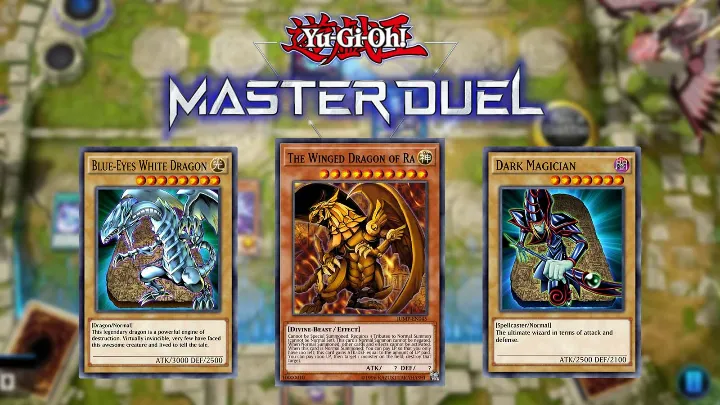
Yu-Gi-Oh! cards fall into several categories: Monsters, Spells, and Traps. Each type has a unique role in play.
Monsters attack and defend, Spells generate effects or support, and Traps react to opponent behavior.
Examples:
- Effect Monsters: disrupt opponents
- Spell Cards: buff or search
- Trap Cards: counter opponent plays
4. Resource Management and Card Advantage
Card advantage — having more usable cards than your opponent — is one of the most important concepts in Master Duel.
Generating advantage through search, draw, and recursion keeps you in control of the game.
Resource tips:
- Use minimal cards for maximum impact
- Avoid unnecessary summons
- Save power cards until ideal timing
5. Timing Your Activations
Yu-Gi-Oh! is a game of timing. Activating cards at the correct moment can swing the tide of a duel.
Reacting too early or too late often wastes opportunities or leaves you vulnerable.
Timing tips:
- Wait for opponent’s trigger before responding
- Chain spells/traps wisely
- Save counters for crucial turns
6. Understanding the Meta and Adapting
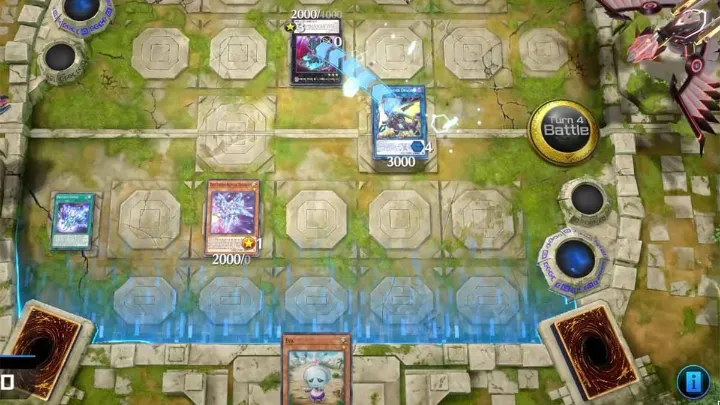
The “meta” refers to the most popular and effective decks at a given time. Staying aware of the current meta lets you anticipate matchups and adjust your deck.
Adaptation is key — a deck strong in one meta might struggle in the next.
Meta awareness:
- Watch tournament results
- Identify common strategies
- Modify your deck accordingly
7. Duel Phase Strategy and Board Control
Board control means having the better field presence — more threats and answers than your opponent.
This includes managing monster positioning, knowing when to attack, and holding back defense.
Control tips:
- Assess risk before attacking
- Use defensive cards when needed
- Maintain pressure without overextending
8. Side Decking and Matchup Adjustment
In matches with multiple games (best-of format), a Side Deck allows you to swap cards between duels to improve matchups.
Proper side decking can turn a losing matchup into a winning one.
Side Deck tips:
- Side against common threats
- Remove weak cards first
- Add answers specific to opponent decks
9. Learning From Replays and Top Players
Watching your own matches or replays helps you spot mistakes and missed opportunities. Top Duelists often play differently because they plan several turns ahead.
Study patterns and decision timing from skilled players to improve your understanding.
Study tips:
- Watch replays of losses
- Learn when top players use certain cards
- Apply similar decision patterns
10. Common Mistakes to Avoid
Many players struggle not because of luck but because of repetitive errors. Avoiding these mistakes speeds up improvement.
Common mistakes:
- Overextending without protection
- Wasting powerful cards prematurely
- Ignoring opponent’s potential responses
Conclusion
Yu-Gi-Oh! Master Duel blends deep strategy with dynamic card interactions. Success depends on deck building, resource management, timing, and adapting to the ever-changing meta. By applying the tips in this guide — from fundamental rules to advanced tactics — players can improve their dueling skills, increase win rates, and enjoy the competitive depth of Master Duel.
Complete tips and guides for Yu-Gi-Oh! Master Duel, covering rules, deck building, strategy, timing, meta, board control, side decking, and common mistakes.