.webp)




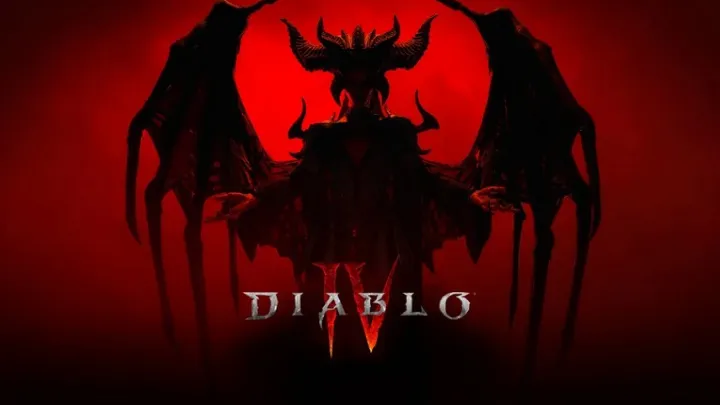
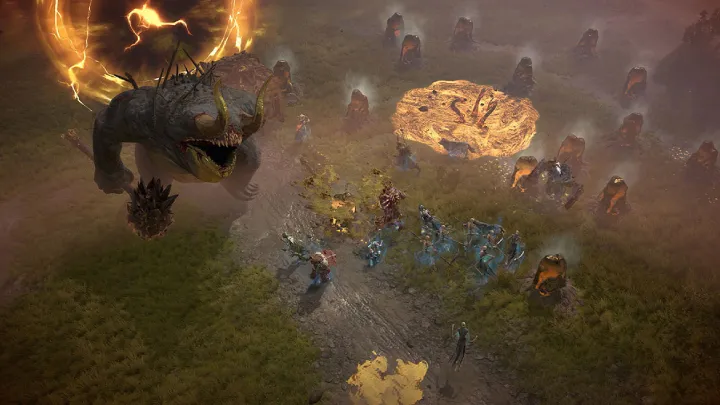
Diablo IV immerses players in the dark, gothic world of Sanctuary, where humanity wrestles with forces of evil. The game expands upon the rich narrative established in the previous titles while focusing on singular themes that resonate deeply with players: the struggle for identity and redemption. This article explores how Diablo IV intricately weaves these themes through its characters, storylines, and gameplay mechanics, affecting player experiences and emotional engagement.
Introduction
Set years after the events of Diablo III, the world of Sanctuary is once again threatened by the resurgence of dark forces, led by the enigmatic Lilith. Players navigate a landscape fraught with conflict, exploring the personal journeys of their characters amid the chaos. Through quests, character development, and environmental storytelling, Diablo IV elegantly tackles the broader themes of self-discovery, redemption, and the impact of choices. This examination focuses on how these issues shape the narrative, character arcs, and emotional depth within the game.
The Shadow of the Past
A Dark Legacy
Diablo IV opens with a sense of foreboding and reverence for the series' historical context. The game's lore emphasizes the weight of the past, as both long-time players and newcomers are reminded of the impact previous events have had on Sanctuary.
- Historical Context:
- Lilith's return is steeped in the history of the series, linking her to demonic patriarchs and the mortal struggle against evil. Her story unfolds through the lens of ancient grudges and battles, creating a rich tapestry of narrative conflict that resonates throughout the game.
- Previous events, including the rise and fall of heroes and the cyclical nature of good versus evil, serve as a backdrop that complicates the present-day struggles of the characters.
- Cultural Impacts:
- The Dark Cultures and their ideologies influence character development and foster a sense of shared legacy in the world. Players encounter factions and communities that are shaped by this history, asking them to reflect on what has come before.
- Throughout their journey, players notice how personal struggles are often tied to historical events, emphasizing the series’ themes of legacy and consequence.
The Weight of Choices
The character-driven narrative format allows players to engage with themes of choice and its repercussions, enhancing the emotional complexity of the storyline.
- Moral Dilemmas:
- Throughout Diablo IV, players face moral choices that challenge their understanding of right and wrong. The consequences of these decisions ripple through both personal and community interactions, complicating the struggle for identity.
- Dilemmas often revolve around loyalty, revenge, and altruism, forcing players to confront their motivations and beliefs. Choices impact not only the individual’s journey but also the conflicts involving factions, adding layers of complexity to the ongoing narrative.
- Personal Responsibility:
- Characters wrestle with their accountability for previous actions, reinforcing the idea that the past cannot simply be discarded. Diablo IV’s narrative explores how each choice is a step towards either redemption or further descent into darkness, shaping the identities of the heroes attempting to protect Sanctuary.
- This burgeoning responsibility mirrors the real-world complexities of decision-making and personal growth, making the narrative relatable and emotionally resonant.
The Heroes of Sanctuary
Character Arcs of Redemption
Central to Diablo IV's exploration of identity are the characters themselves—heroes shaped by both triumph and trauma. Players experience intricate story arcs that highlight the interplay between redemption and self-discovery.
- The Rogue: A Path of Regret
- The Rogue class embodies the journey of redemption as players meet characters who have strayed from their moral compass. Their quest involves overcoming a past marred by betrayal and grief, signifying the struggle to find a new path.
- Through quests and interactions, Rogues address emotional scars that hinder their development. They grapple with loyalty to their former guild versus aspirations to forge their own identity.
- The Barbarian: Strength Through Forgiveness
- The Barbarian class represents strength interlaced with vulnerability, as players discover how characters deal with loss and trauma. Forgiveness emerges as a recurrent theme, encouraging characters to lift burdens and reclaim their sense of purpose.
- The journey of the Barbarian reflects the complexities of battling an overwhelming world while forging connections with others, emphasizing that identity is often shaped by relationships and collective experiences.
Companionship and Identity
Throughout Diablo IV, character relationships play a crucial role in exploring identity and redemption.
- Supportive Relationships:
- Companionship is illustrated through interactions that display both empathy and conflict. As characters align with the player’s chosen hero, they contribute to a growing community, allowing exploration of shared burdens and the quest for identity.
- These relationships compel characters to evolve, with emotional arcs threading through player experiences. As characters share their fears and vulnerabilities, self-discovery becomes entwined with mutual support and understanding.
- Impact of Choices on Relationships:
- Players quickly understand that their decisions resonate not only with their heroes but also with their companions. The choices made can improve relationships or jeopardize them, resulting in tangible impacts on character dynamics.
- This layer of relational complexity reinforces the idea that identity is malleable, molded by experiences and connections, compelling players to navigate with care and intention.
The Influence of Lilith
The Harbinger of Conflict
Lilith, the primary antagonist, symbolizes the duality of identity and the complexities of redemption. Her motivations bring a level of ambiguity to her character, making her more than just a typical villain.
- Historical Ties and Motivations:
- As the mother of humanity, Lilith’s return evokes deep cultural and historical implications. Her connection to the world of Sanctuary implies a level of maternal instinct that complicates her role as a destroyer.
- Lilith embodies the struggle between light and dark—her actions challenge players to confront philosophical questions about power, Pantheon, and moral responsibility. Are her goals driven by vendetta, or is she attempting to reclaim her rightful place? This ambiguity enhances her presence throughout the game.
- Transcending the Role of Villain:
- Lilith is not merely an enemy but a character with a depth that influences players' understanding of evil. She provides a narrative lens through which personal struggles and societal conflicts are reflected.
- Her presence prompts players to consider the blurry lines between victim and aggressor, complicating the notion of redemption and the extent to which one can reclaim their identity.
Encounters with Darkness
As players confront Lilith and her forces throughout Diablo IV, these encounters challenge their heroes both physically and emotionally.
- Climactic Battles:
- Boss fights against Lilith’s minions allow players to engage with their fears while solidifying their identities as protectors of Sanctuary. The conflicts push each character to embrace their strengths and confront their vulnerabilities in combat.
- Players are left to ponder the psychological impact of these encounters, unveiling the burden of heroism amidst chaos.
- Consequences of Defeat and Resilience:
- Extending beyond physical combat, players experience moments of loss and grief. These emotional weights force reflection on the role of perseverance and resilience, allowing characters to either embrace their faults or succumb to despair.
- Such narrative threads showcase the theme of identity reinforced through struggle, illustrating how challenges become pivotal moments for transformation and growth.
The World of Sanctuary: A Crucible for Identity
Environmental Storytelling
The world of Sanctuary not only serves as a battleground but also as a character that reflects the psychological states of its inhabitants and the overarching themes of identity.
- A Fallen Kingdom:
- The atmospheric design immerses players in environments riddled with corruption, decay, and remnants of past battles. Each location, from decrepit villages to desolate plains, intimately ties to the characters’ journeys, expanding upon their struggles and highlights the fragility of hope.
- Sanctuary acts as a crucible for identity, where various factions engage in a constant battle for survival, inviting players to explore and interact with the world more deeply.
- Rich Lore and Artifacts:
- Environmental storytelling extends through artifacts, scrolls, and remnants of other characters’ journeys embedded throughout the landscape. Engaging with these elements allows players to delve into the histories of the heroes and villains who shaped the world.
- This backdrop encourages characters to reflect on their paths, showcasing how identities are interconnected with those who came before them. Each story adds layers to the personal struggles players experience as they traverse the dark world.
Cultural Commentary
The struggles within Sanctuary can also be viewed as a reflection of larger societal issues, inviting players to explore the intersection of identity and culture.
- Colonial and Cultural Conflicts:
- The competing factions within the game often reflect broader themes of colonialism and power struggles. Each faction grapples with its cultural identity and the impact of dominance by external forces.
- Players encounter narratives of displacement, resistance, and survival, becoming entangled in the larger questions surrounding identity formation in the face of adversity.
- Exploration of Empathy and Understanding:
- The relationships among factions and characters reflect the necessity for understanding and empathy in overcoming conflicts. By navigating these cultural landscapes, players can experience how the past can inform the future and the role identity plays in shaping an interconnected destiny.
- Diablo IV ultimately presents a narrative that compels players to ask difficult questions about their roles as heroes in a complex world, inviting a broader reflection on societal structures and individual responsibility.
Redemption Arcs and Player Agency
The Journey of Forgiveness
Diablo IV encapsulates redemption not only as a theme but as a mechanic intertwined with player agency.
- Personal Growth Through Choices:
- The decisions players make throughout the game influence their heroes' journeys towards redemption. Characters face challenges that require them to grapple with their past mistakes while striving for a better future.
- By choosing actions that align with their ideals, players gain the opportunity to craft a path towards self-forgiveness and personal transformation.
- Multi-layered Relationships:
- As characters reconcile with their histories, they inspire each other to seek redemption, creating an emotionally charged narrative that underscores the importance of community support.
- The interplay of relationships reveals that redemption is often collective, where shared struggles and experiences can lead individuals to re-evaluate their identities and choices.
Endgame Choices and Consequences
Balancing player agency with emotional stakes, endgame choices in Diablo IV underscore the enduring impact of identity on the narrative.
- Final Confrontations:
- The climax pits Cal and his allies against Lilith, confronting them with choices that will forever alter their paths. Depending on players’ decisions, the outcomes reflect varied interpretations of their heroes’ identities.
- The culmination of choices fosters a sense of closure around character arcs, allowing players to witness the fruits of their labors—a true testament to the multifaceted nature of identity shaped through redemption.
- Revisiting the World:
- Post-completion, the game allows players to explore different outcomes based on their decisions, reinforcing the fluidity of identity and the power of choice. Players can return to previous experiences with renewed perspective, encouraging them to engage with the world differently.
- This commitment to player agency fosters a richer and ultimately more meaningful exploration of identity, emphasizing that each journey is as unique as the player guiding it.
Conclusion
Diablo IV masterfully intertwines themes of identity and redemption, creating a compelling narrative that invites players to explore their personal journeys within the richly constructed world of Sanctuary. Through complex character arcs, philosophical questions, and impactful choices, the game crafts a tapestry of experiences that resonate with players on multiple levels.
By emphasizing the importance of relationships, the impact of history, and the complexities of moral decision-making, Diablo IV not only presents a darker narrative but also serves as a profound reflection on the shaping of identity amid chaos. As players navigate their characters’ paths, they grapple with the timeless challenges of self-discovery and redemption, leaving an indelible mark that lingers long after the credits roll.