.webp)








Pure Badminton is a fast, technical, and highly competitive sports game that prides itself on realistic shuttle physics and movement mechanics. But beneath its polished gameplay lies a unique systemic issue that shapes the entire experience: the Stamina–Precision Conflict. This conflict refers to the tension between conserving stamina for movement and spending stamina to execute high‑precision shots. Unlike many sports games where stamina only limits sprinting, Pure Badminton ties stamina directly to shot accuracy, timing windows, and shuttle trajectory stability.
This article explores the issue in depth across ten structured sections, analyzing how the conflict emerges, evolves, and impacts gameplay at every stage.
1. The Foundation of the Stamina–Precision Conflict
The conflict begins with the game’s core design. In Pure Badminton, stamina is not just a movement resource — it directly influences the accuracy and quality of every shot. When stamina is high, players can perform tight net drops, steep smashes, and deceptive slices with near‑perfect precision. When stamina is low, timing windows shrink, shuttle control becomes unstable, and even basic clears risk drifting out of bounds.
This dual‑purpose stamina system creates immediate tension. Players must constantly decide whether to sprint aggressively to reach the shuttle early or conserve stamina to ensure their next shot is accurate. This creates a strategic dilemma that is easy to misunderstand but difficult to master.
Core Mechanics Behind the Conflict
- Stamina affects shot accuracy
- Stamina affects timing windows
- Stamina affects shuttle trajectory stability
Why It Matters
Players must balance physical positioning with technical execution — a balance that defines the entire game.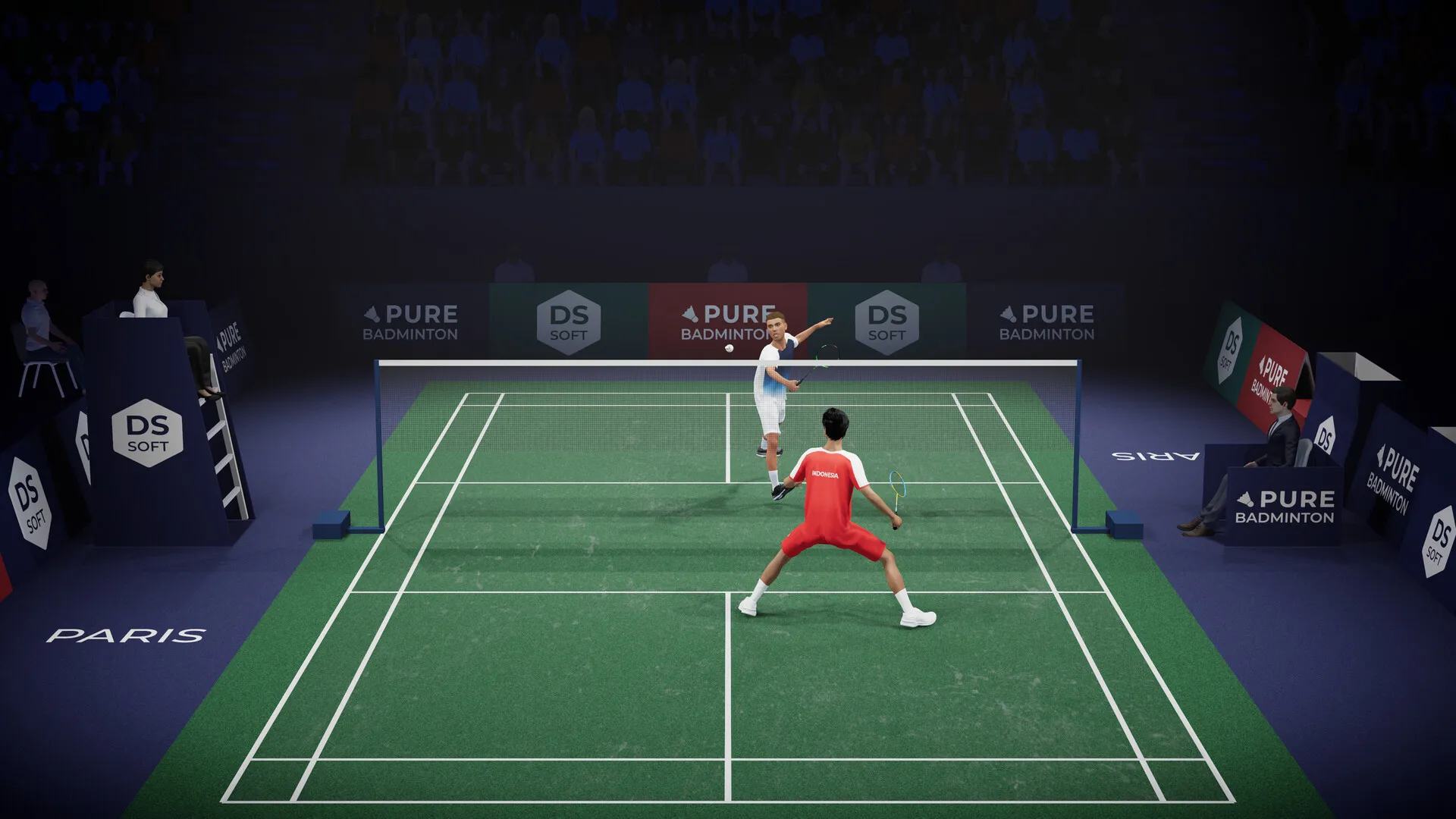
2. Early‑Game Struggles: When Players First Encounter the Issue
New players often focus on movement. They sprint constantly, chase every shuttle, and try to cover the court with raw speed. This leads to rapid stamina depletion, which causes their shots to become inconsistent. Beginners often blame the controls or physics, unaware that their stamina mismanagement is the real problem.
This misunderstanding creates frustration. Players feel punished for trying to play aggressively, even though the system is working as intended. The Stamina–Precision Conflict is subtle at first, but it quickly becomes the defining challenge of early gameplay.
Common Beginner Mistakes
- Sprinting unnecessarily
- Attempting precision shots with low stamina
- Ignoring stamina regeneration timing
The Learning Curve
Players must unlearn the instinct to chase everything and instead learn to anticipate and conserve.
3. Mid‑Game Awareness: Recognizing the True Nature of the Conflict
As players gain experience, they begin to notice patterns. They realize that their best shots occur when stamina is high and that their worst mistakes happen when stamina is low. This is the moment when the Stamina–Precision Conflict becomes clear.
Players start to understand that stamina is a strategic resource. They begin to plan their movements more carefully, choosing when to sprint and when to glide. They also start timing their stamina regeneration, intentionally slowing down between rallies to recover enough for the next exchange.
Signs of Mid‑Game Awareness
- Reduced unnecessary sprinting
- Increased use of footwork
- Intentional stamina recovery
The Shift in Mindset
The game transitions from reactive play to predictive play — a major milestone in player development.
4. Shot Selection Under Stamina Pressure
One of the most complex aspects of the conflict is how it affects shot selection. Pure Badminton’s shot system is highly sensitive to stamina levels. High‑precision shots like net drops, slices, and cross‑court smashes require high stamina to execute reliably.
When stamina is low, players must adjust their shot choices. Attempting a delicate net shot with low stamina often results in the shuttle hitting the tape or floating too high. Attempting a smash with low stamina leads to mistimed hits or weak contact.
High‑Stamina Shot Options
- Steep smashes
- Tight net drops
- Deceptive slices
- Cross‑court drives
Low‑Stamina Shot Options
- High clears
- Defensive lifts
- Straight drives
5. Movement Efficiency and Its Role in the Conflict
Movement efficiency is the hidden key to resolving the Stamina–Precision Conflict. Pure Badminton rewards players who use proper footwork patterns — split steps, side shuffles, recovery steps, and controlled lunges — instead of reckless sprinting.
Efficient movement reduces stamina consumption dramatically. Players who master footwork can maintain high stamina throughout long rallies, giving them access to their full shot arsenal. This creates a skill gap between players who rely on sprinting and those who rely on technique.
Efficient Movement Techniques
- Split step timing
- Side shuffle positioning
- Controlled lunges
- Quick recovery steps
Why Footwork Matters
Good footwork preserves stamina, which preserves precision — the core of the conflict.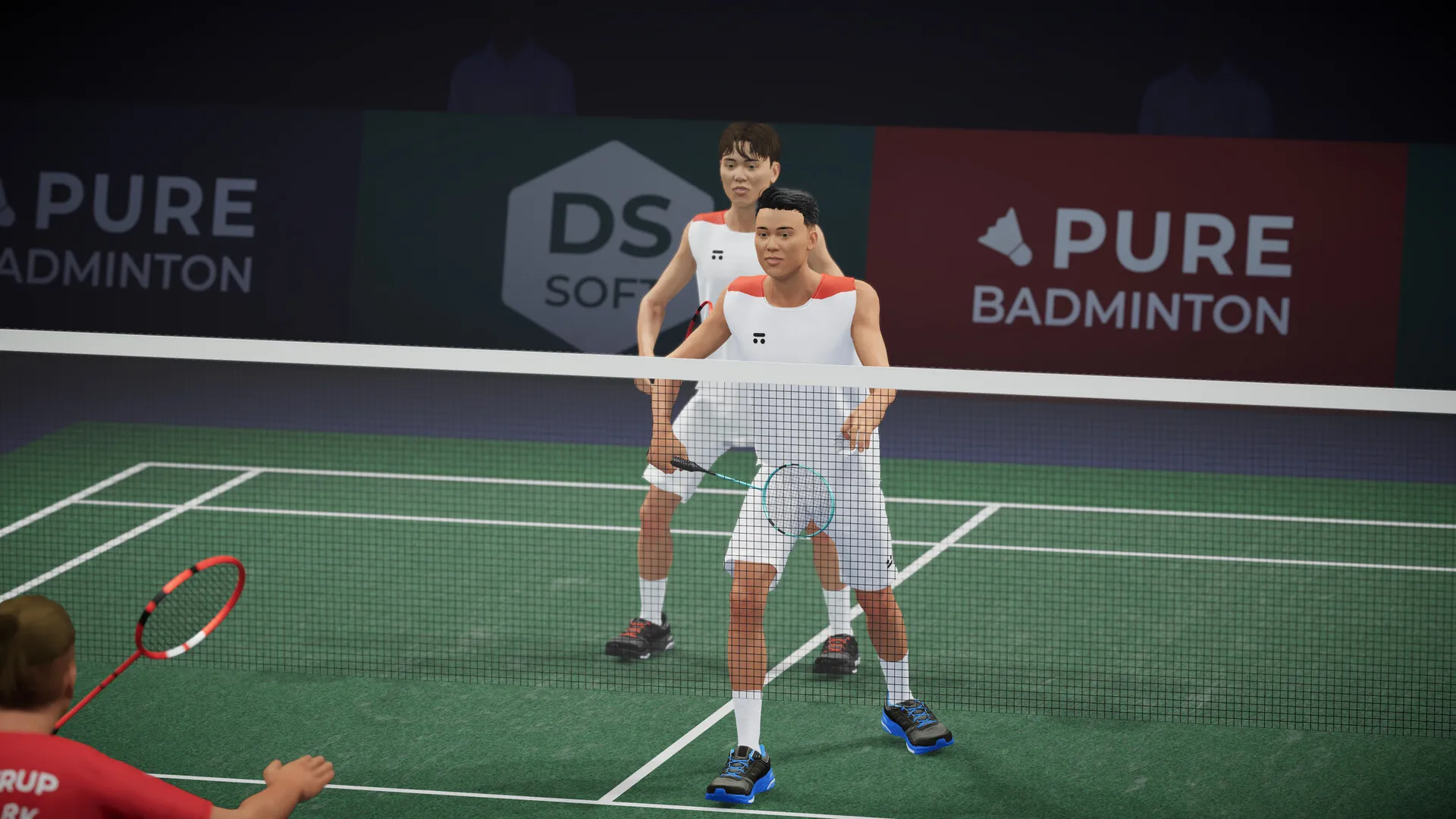
6. The Psychological Impact of the Stamina–Precision Conflict
The conflict is not just mechanical — it is psychological. Players often panic when stamina is low, leading to rushed decisions and poor shot choices. Conversely, players with high stamina feel confident and aggressive, often taking more risks.
This psychological swing affects match momentum. A player who manages stamina well can maintain composure, while a player who mismanages stamina becomes increasingly stressed as their shot accuracy declines.
Psychological Symptoms
- Panic under low stamina
- Overconfidence under high stamina
- Frustration from unforced errors
The Mental Game
Managing stamina is also managing emotions — a crucial part of competitive play.
7. Advanced Strategies for Managing the Conflict
At higher levels of play, the Stamina–Precision Conflict becomes a strategic battleground. Players intentionally manipulate stamina — both their own and their opponent’s. They use shot patterns that force opponents to move inefficiently, draining their stamina and reducing their precision.
Advanced players also use stamina feints: pretending to be low on stamina to bait aggressive shots, then regenerating just enough to counterattack with precision.
Advanced Stamina Strategies
- Forcing opponent movement
- Using stamina feints
- Timing stamina regeneration
- Controlling rally tempo
Strategic Depth
The conflict becomes a mind game, not just a mechanical challenge.
8. Competitive Play: How the Conflict Shapes High‑Level Matches
In competitive Pure Badminton, the Stamina–Precision Conflict is the defining factor of match outcomes. High‑level players rarely make mechanical mistakes — instead, matches are decided by who manages stamina more intelligently.
Rallies become battles of attrition. Players trade stamina strategically, waiting for the moment when their opponent’s precision drops. A single low‑stamina error can cost an entire rally.
Competitive Dynamics
- Long rallies test stamina discipline
- Precision shots punish stamina mismanagement
- Tempo shifts create openings
The Competitive Edge
Players who master stamina control dominate tournaments.
9. The Conflict’s Impact on Game Balance
The Stamina–Precision Conflict has major implications for game balance. Some playstyles benefit disproportionately from the system. Defensive players who rely on clears and lifts can conserve stamina more easily, while aggressive players who rely on smashes burn stamina quickly.
This creates a meta where defensive play is often more stable, while offensive play is riskier but more rewarding. Balancing these playstyles is a constant challenge for the developers.
Balance Concerns
- Defensive play benefits from stamina conservation
- Offensive play suffers from stamina drain
- Shot types vary in stamina cost
Meta Implications
The conflict shapes which strategies are viable at high levels.
10. The Future of the Stamina–Precision System
The Stamina–Precision Conflict is both a strength and a weakness of Pure Badminton. It adds depth, realism, and strategic complexity, but it also creates frustration for new players and balance challenges for competitive play.
Future updates could refine the system by adjusting stamina regeneration rates, modifying shot stamina costs, or adding new mechanics that reward efficient play without punishing beginners too harshly.
Potential Improvements
- Adjust stamina regeneration
- Rebalance shot stamina costs
- Add training tools for stamina management
A Promising Future
With thoughtful refinement, the system can remain deep while becoming more accessible.
Conclusion
The Stamina–Precision Conflict is the defining issue of Pure Badminton. It shapes movement, shot selection, psychology, strategy, and competitive balance. While challenging, it also adds depth and realism that elevate the game beyond simple arcade sports titles. By understanding and mastering this conflict, players can unlock the full potential of Pure Badminton’s mechanics and enjoy a richer, more strategic experience.