Minecraft: The Historical Evolution of Survival Mode as a Cultural System
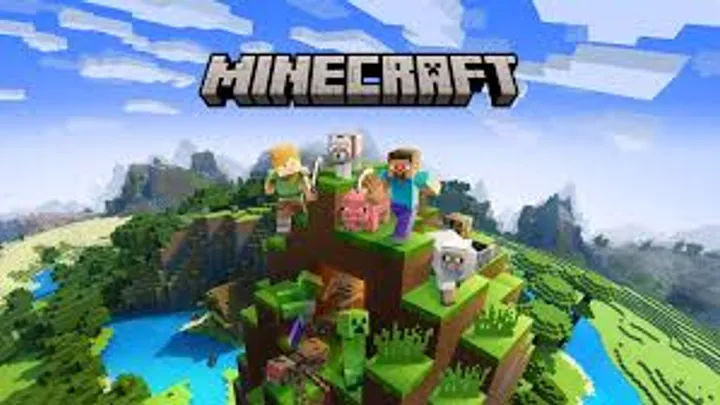
Minecraft is often described as a sandbox game, but that description barely captures the systemic depth that emerged from its Survival Mode. What began as a simple loop of mining resources and avoiding hostile mobs gradually evolved into one of the most influential interactive systems in gaming history. Survival Mode is not just a gameplay setting—it is a layered structure of scarcity, risk management, world permanence, player-driven architecture, and emergent narrative.
This article does not explain crafting recipes or building tips. Instead, it traces the chronological evolution of Minecraft’s Survival Mode as a living system. From its early alpha scarcity to the introduction of hunger mechanics, world bosses, biome expansion, redstone complexity, and long-term world persistence, Survival Mode transformed from minimalistic experimentation into a cultural framework for creativity and endurance.
1. The Alpha Era: Scarcity and Fear as Foundations
In its earliest public versions, Minecraft’s Survival Mode was defined by scarcity. Resources were limited, mechanics were simple, and nightfall carried genuine threat. There were no hunger bars, no sprinting, and few structured objectives.
The core loop was elemental: gather wood, craft basic tools, mine stone, build shelter before night. Hostile mobs such as zombies and skeletons introduced tension, but the system was still rudimentary.
Early Survival Characteristics
- No hunger mechanic
- Limited biome variety
- Basic mob types
- Simple crafting tree
Psychological Impact
The absence of structured goals forced players to invent purpose. Survival was not about progression tiers—it was about endurance in an unpredictable world.
2. The Introduction of the Nether: Dimensional Escalation
The addition of the Nether marked a pivotal expansion. For the first time, players could access a separate dimension with unique terrain, resources, and hostile entities.
The Nether introduced verticality, environmental hazards like lava oceans, and materials necessary for advanced crafting. Survival Mode now extended beyond the overworld into layered dimensional exploration.
Nether Innovations
- Glowstone and Nether quartz
- Ghasts and Blazes
- Fortress structures
- Potion ingredient resources
Systemic Expansion
The game shifted from horizontal survival (overworld exploration) to vertical escalation—players progressed into increasingly hostile spaces.
3. The Hunger Update: Resource Management Deepened
One of the most transformative updates introduced the hunger bar. Previously, health regeneration occurred automatically. After this change, food became a mandatory survival resource.
This altered the survival loop significantly. Farming, animal breeding, and food storage became essential long-term systems.
Hunger System Effects
- Food-based health regeneration
- Farming infrastructure necessity
- Animal domestication relevance
- Strategic sprint management
Increased Complexity
Survival was no longer about simply avoiding danger; it required sustainable planning.
4. Enchanting and the Rise of Long-Term Progression
The enchanting system added a structured advancement layer. Tools and armor could now receive randomized enhancements, creating a power curve within Survival Mode.
This introduced grind-based optimization. Players invested time gathering experience points to strengthen equipment.
Enchantment Components
- Experience level accumulation
- Enchantment table setup
- Bookshelf optimization
- Randomized effect outcomes
Strategic Investment
Survival worlds gained longevity. Players were incentivized to remain in the same world for extended progression arcs.
5. The End Dimension and Formalized Endgame
The addition of The End and the Ender Dragon formalized what many considered Minecraft’s “endgame.” Though the game remains open-ended, defeating the dragon became a symbolic milestone.
The End introduced structured boss mechanics, End Cities, and Elytra wings, fundamentally altering mobility.
Endgame Milestones
- Stronghold exploration
- Portal activation
- Dragon fight mechanics
- Elytra acquisition
Symbolic Closure
While not mandatory, the dragon fight gave Survival Mode narrative punctuation.
6. Redstone Complexity and Mechanical Automation
Redstone systems transformed Survival Mode from manual labor into engineering experimentation. Players could automate farms, create defensive systems, and design computational structures.
Automation reduced repetitive grinding and introduced systemic creativity within survival constraints.
Automation Examples
- Automatic crop farms
- Mob grinders
- Item sorting systems
- Defensive trap networks
Emergent Engineering Culture
Entire sub-communities emerged around redstone innovation, treating Survival Mode as a technical sandbox.
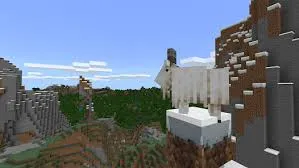
7. Biome Expansion and Environmental Diversity
As updates introduced new biomes—jungles, mesas, deep oceans, snowy mountains—environmental diversity reshaped exploration strategy.
Different biomes provided unique resources and structural challenges. Survival worlds became geographically complex.
Environmental Additions
- Ocean monuments
- Woodland mansions
- Desert temples
- Village overhauls
Exploration Incentive
Players were encouraged to travel far from spawn, expanding survival into a global journey.
8. Village & Pillage: Social Ecosystems
The Village & Pillage update redefined NPC interaction. Villagers gained profession systems, trading tiers, and economic value.
Raids introduced structured combat events triggered by player actions.
Social System Enhancements
- Profession-based trading
- Emerald economy
- Raid mechanics
- Iron golem defense
Structured Interaction
Survival Mode began incorporating semi-civilized ecosystems within its wilderness.
9. Nether and Cave Overhauls: Environmental Modernization
Major overhauls revitalized older systems. The Nether Update introduced biome diversity within the Nether itself, while the Caves & Cliffs update transformed underground exploration.
These changes modernized terrain generation and expanded survival risk-reward calculations.
Modern Additions
- Nether biomes (Crimson Forest, Warped Forest)
- Bastion remnants
- Deep Dark biome
- Warden mob
Risk Intensification
The Warden reintroduced fear similar to early alpha nights—punishing careless exploration.
10. Longevity, World Permanence, and Cultural Legacy
Perhaps the most defining characteristic of Survival Mode is world permanence. Unlike session-based games, Minecraft worlds persist indefinitely.
Players invest years into singular worlds, constructing cities, transportation networks, and megastructures. Survival becomes less about staying alive and more about sustaining civilization.
Long-Term Sustainability Factors
- Continuous update integration
- Player-driven narrative
- Community server ecosystems
- Cross-generational accessibility
Cultural Impact
Survival Mode became not just a gameplay setting, but a digital lifestyle—an evolving world shaped by persistence.
Conclusion
Minecraft’s Survival Mode evolved from a minimal survival sandbox into a layered ecosystem of scarcity management, dimensional escalation, structured progression, environmental diversity, and automation engineering. Each major update deepened complexity without erasing the core principle: gather, build, survive. The introduction of hunger transformed resource planning; enchanting created long-term investment; the End formalized achievement; redstone automation empowered systemic creativity; biome expansion encouraged exploration; and modern updates restored tension through environmental threat. Across its evolution, Survival Mode became a cultural framework where players construct not only shelters, but histories. Its enduring strength lies in permanence—worlds that persist, systems that evolve, and players who continuously redefine what survival means.