Tips & Guides for Factorio: Building the Ultimate Factory
Advertisement
Understanding the Basics of Factorio
The Game’s Premise
Key Gameplay Mechanics
- Resource Gathering: Players must mine resources such as iron, copper, and coal to produce components needed for construction.
- Automation: Assembling machines, transport belts, and inserters allow for automated production, reducing the need for manual labor.
- Research and Technology: Advancing through the tech tree unlocks new technologies, enabling the construction of advanced machines and tools.
Starting Your Journey
Initial Setup
- Choose the Right Location: Look for a spot with easy access to essential resources like iron, copper, and coal. Proximity to water sources can also be beneficial for future power generation.
- Gather Resources Quickly: Begin by manually mining resources to quickly craft your first tools, such as a pickaxe and a burner mining drill. Prioritize gathering iron and copper for early game needs.
Building Your First Factory
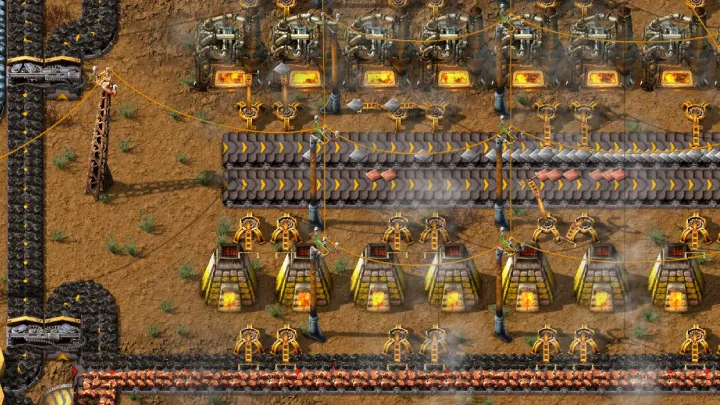
- Create a Basic Production Line: Use burner mining drills to gather resources and feed them into stone furnaces to produce iron plates and copper plates.
- Establish Transport: Use transport belts to move items between machines, ensuring a smooth flow of materials. This will set the foundation for more complex factories later on.
Automation: The Key to Progress
Understanding Automation
- Crafting Machines: Learn to use assembling machines to automate the creation of items like gears and circuits, which are essential for advanced constructions.
- Inserters: Use inserters to transfer items between machines and belts. Different inserters have varying speeds and capacities, so choose the right one for your needs.
Building an Automated Factory
- Modular Design: Build factories in modular sections that can be expanded easily. This allows you to add new production lines without disrupting existing ones.
- Item Throughput: Ensure your transport belts can handle the required item throughput. Use higher-tier belts for high-demand items to prevent bottlenecks.
Research and Technology
Advancing Through the Tech Tree
- Prioritize Key Technologies: Focus on technologies that will significantly enhance your capabilities, such as automation and logistics upgrades. This will allow you to streamline production and expand more effectively.
- Use Science Packs: Start producing science packs early to accelerate research. Create dedicated production lines for each type of science pack to ensure a steady supply.
Setting Up Science Production
- Dedicated Science Areas: Designate specific areas for science production to keep your factory organized. This makes it easier to manage and expand as needed.
- Balance Resources: Ensure that your science production lines have a balanced supply of materials. Use splitters and underground belts to manage resource flow efficiently.
Expanding Your Factory
Scaling Up Production
- Identify Bottlenecks: Regularly assess your factory for production bottlenecks. Use the built-in statistics to identify which items are limiting your growth.
- Add New Production Lines: When you identify a bottleneck, consider adding new production lines or upgrading existing ones to increase output.
Managing Resources
- Logistics Networks: Utilize logistics networks and robots for item transportation. This allows for greater flexibility and efficiency in resource management.
- Storage Solutions: Create storage facilities for excess resources. Use chests and storage tanks to ensure you have a buffer for unexpected demands.
Defending Against Threats
Understanding Enemy Mechanics
- Pollution Management: Monitor your pollution levels and understand how they affect enemy behavior. Take preventive measures to minimize pollution spread.
- Biter Behavior: Learn how biters react to pollution and what triggers their attacks. This knowledge will help you build effective defenses.
Building Defenses
- Turrets: Use gun turrets and laser turrets to fend off attacks. Ensure they are supplied with ammo and strategically placed to cover vulnerable areas.
- Walls and Barriers: Construct walls to create barriers against biters. This will slow their advance and give your defenses time to respond.
Power Management
Power Sources
- Early Game Power: Start with steam power using boilers and steam engines. Ensure you have a consistent supply of fuel, such as coal or wood.
- Expanding Power: As your factory grows, consider transitioning to more advanced power sources like solar panels or nuclear power for greater efficiency and sustainability.
Power Distribution
- Power Poles: Use power poles to distribute electricity across your factory. Plan the layout to ensure all machines receive power.
- Monitor Consumption: Keep an eye on your power consumption to ensure your supply meets demand. Use accumulators to store excess energy during low-demand periods.
Advanced Production Techniques
Utilizing Blueprints
- Creating Blueprints: Use the blueprint feature to save and replicate factory layouts. This is especially useful for building similar production lines quickly.
- Blueprint Libraries: Consider creating a library of blueprints for different setups, such as science production or smelting areas, to streamline future expansions.
Optimizing Production Lines
- Refining Production: Regularly assess and refine your production lines to eliminate waste and improve output. Use modules and beacons to enhance production speeds and efficiency.
- Advanced Logistics: Incorporate advanced logistics systems, such as trains and circuit networks, to manage resources effectively across large distances.
Preparing for Launch
Final Preparations
- Rocket Components: Ensure you have all the necessary components for the rocket, including rocket fuel, rocket control units, and satellite.
- Final Research: Complete any outstanding research that could enhance your final production capabilities or defense mechanisms.
Testing Your Factory
- Simulate Demand: Run simulations to test your factory’s production capacity and resource management under peak conditions.
- Check Defenses: Ensure that all defenses are operational and adequately supplied to handle any potential threats during the launch phase.
Conclusion