.webp)








Introduction
Seasons and weather are not just background details in Grow a Garden—they are core mechanics that directly influence crop growth, yield, and overall efficiency. Many players treat seasons as passive changes and simply keep planting the same crops year-round, unknowingly suffering penalties and missed bonuses.
This guide explains how seasons and weather systems work and how to adapt your strategy for each one. You will learn how to choose the right crops, adjust watering and fertilizer usage, and restructure your garden to take full advantage of seasonal bonuses. Mastering seasons is one of the biggest steps toward consistent, high-level performance.
1. How Seasons Affect Crop Growth
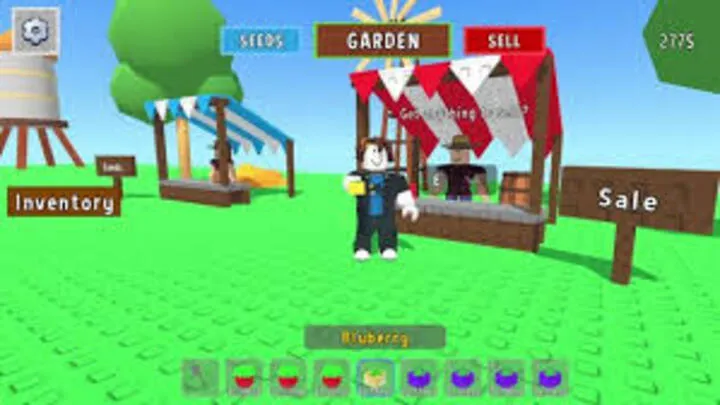
Each season modifies growth speed, yield, and resource consumption. Some crops thrive during specific seasons, while others struggle.
Seasonal effects commonly influence:
- Growth speed multipliers
- Yield bonuses or penalties
- Water consumption rates
- Fertilizer effectiveness
Understanding these modifiers allows you to plan ahead instead of reacting after losses occur.
2. Spring Strategies for Fast Expansion
Spring is typically the best season for rapid growth. Most crops receive growth speed bonuses, making it ideal for expansion and quick profit cycles.
Spring priorities include:
- Fast-growth crops
- Aggressive replanting
- Speed fertilizer usage
- Layout expansion
Spring is the season to build momentum that carries you through the rest of the year.
3. Summer Weather Challenges and Solutions
Summer often introduces heat-related penalties such as increased water usage and reduced efficiency for delicate crops.
Effective summer strategies:
- Switch to heat-resistant crops
- Increase auto-watering coverage
- Reduce fertilizer on water-heavy crops
- Focus on stable mid-cycle crops
Managing summer correctly prevents resource drain and output instability.
4. Autumn Yield Optimization Techniques
Autumn usually provides yield bonuses, making it the most profitable season when managed properly.
Autumn strategies include:
- Planting high-yield crops
- Applying yield fertilizer
- Expanding storage capacity
- Timing harvests for market peaks
Autumn is where many players generate the majority of their yearly income.
5. Winter Survival and Greenhouse Planning
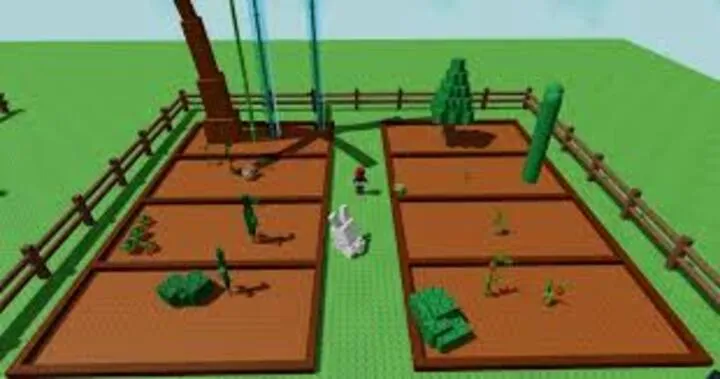
Winter is often the most restrictive season. Growth slows, and some crops may stop growing entirely without protection.
Winter preparation tips:
- Invest in greenhouses early
- Use cold-resistant crops
- Reduce garden size temporarily
- Focus on automation efficiency
Surviving winter efficiently ensures you are ready to surge again in spring.
6. Weather Events and Short-Term Adaptation
Beyond seasons, random weather events can temporarily boost or hinder production.
Common weather events affect:
- Rainfall and water efficiency
- Sunlight exposure
- Temperature stability
- Pest activity
Advanced players adjust planting and harvesting schedules to exploit favorable weather windows.
7. Fertilizer and Season Synergy
Fertilizer effectiveness changes by season. Using the wrong fertilizer at the wrong time wastes resources.
Seasonal fertilizer best practices:
- Speed fertilizer in spring
- Balanced fertilizer in summer
- Yield fertilizer in autumn
- Limited fertilizer in winter
Aligning fertilizer with seasons multiplies its impact.
8. Automation Adjustments Across Seasons
Automation settings should change with the seasons. Static automation setups lose efficiency over time.
Seasonal automation tweaks:
- Increase watering frequency in summer
- Delay harvesting during yield-boost seasons
- Reduce fertilizer automation in winter
- Adjust crop pools for rotation
Season-aware automation maintains peak performance year-round.
9. Common Seasonal Mistakes Players Make
Many players repeat the same errors every year. Common mistakes include:
- Planting long-growth crops before winter
- Ignoring water penalties in summer
- Missing autumn yield windows
- Keeping the same crops all year
Avoiding these mistakes dramatically improves consistency.
10. Creating a Seasonal Farming Calendar
Top players use seasonal calendars to plan planting, harvesting, and upgrades.
A seasonal calendar includes:
- Crop plans per season
- Fertilizer schedules
- Automation adjustments
- Upgrade timing
Planning ahead turns seasons from obstacles into opportunities.
Conclusion
Seasons and weather systems in Grow a Garden are powerful tools when understood and respected. By adjusting crop selection, fertilizer use, automation settings, and layout based on seasonal changes, you can maintain high efficiency throughout the year. Players who master seasonal management enjoy smoother progression, stronger profits, and fewer setbacks no matter the weather.