




Introduction
Frostpunk is a survival city-building game developed by 11 bit studios that challenges players to lead the last surviving city on a frozen Earth. Unlike traditional city builders that reward expansion and economic dominance, Frostpunk revolves around moral compromise, resource scarcity, and survival under extreme cold. Every decision you make affects not only your economy but also your citizens’ hope, discontent, and long-term survival.
The game’s brilliance lies in how it merges strategy mechanics with ethical dilemmas. You are not simply managing coal and steel—you are deciding whether to enforce child labor, implement strict laws, or sacrifice comfort for survival. This guide explores Frostpunk’s systems in depth, from early stabilization to late-game crisis management, helping you build a city that can endure the endless winter.
Understanding the Core Survival Loop
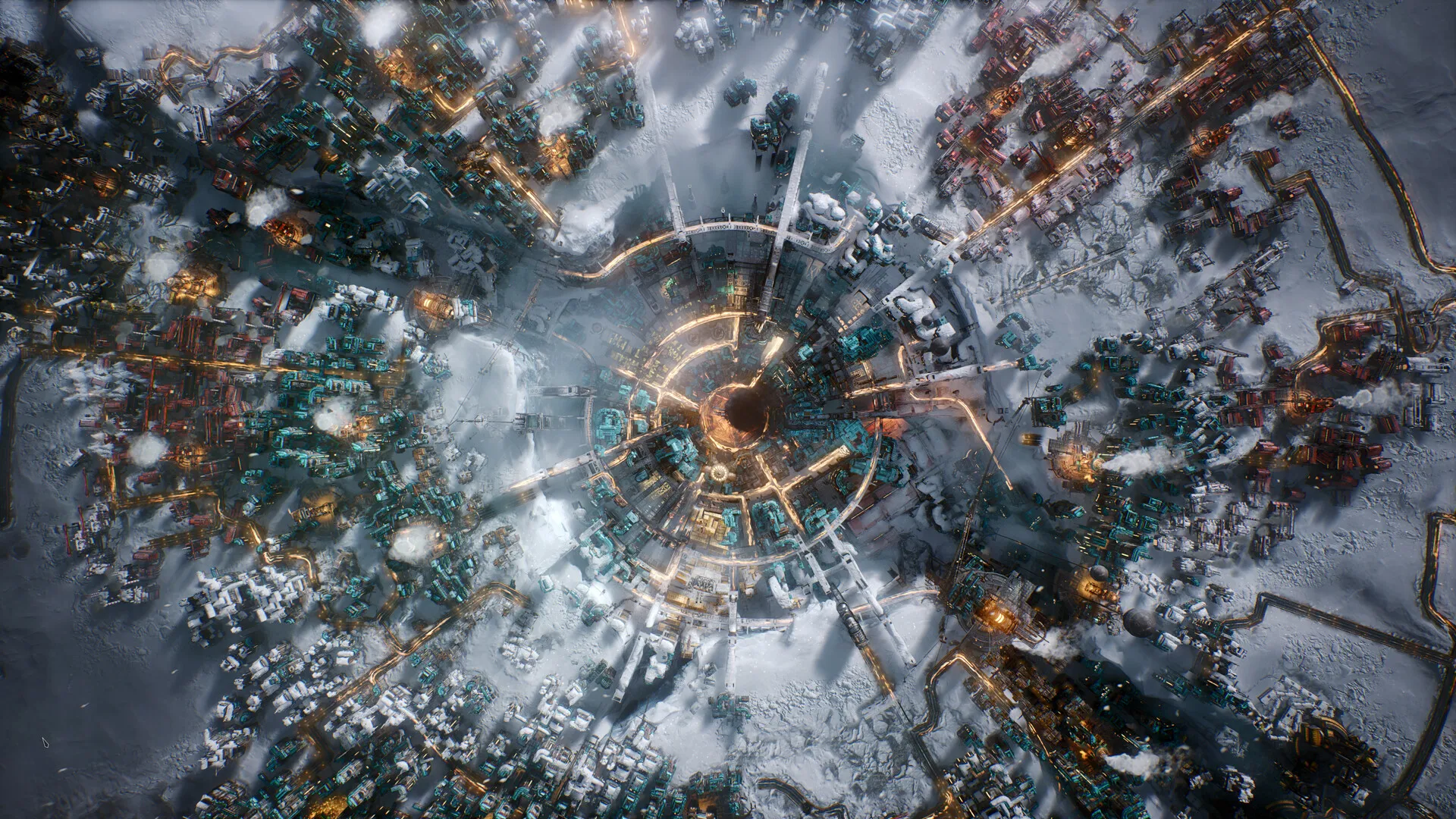
Frostpunk’s central mechanic revolves around heat. The Generator is the heart of your city, and without coal to power it, your population will freeze. Everything flows from this core system—resource gathering, housing placement, and research decisions all revolve around temperature management.
The basic survival loop includes:
- Gathering coal to fuel the Generator
- Collecting wood and steel for construction
- Building heated homes and workplaces
- Managing hope and discontent
Unlike other city builders, you cannot expand recklessly. Overextending your workforce or running out of coal during a cold snap can wipe out your city within days.
Success comes from balancing short-term survival with long-term sustainability.
Early Game Stabilization (Days 1–5)
The opening days are the most critical. You begin with limited workers, scattered resource piles, and dangerously low temperatures. Immediate priorities should focus on securing coal and building tents for shelter.
Early construction order should prioritize:
- Gathering posts
- Medical posts
- Tents
- Workshops
Workshops are especially important because research unlocks efficiency improvements that stabilize your economy. Delaying research often leads to stagnation.
Avoid overbuilding early. Each structure consumes resources and workforce. Careful labor allocation ensures maximum output without overwhelming your citizens.
Heat Management and Generator Efficiency
Heat is Frostpunk’s defining challenge. Buildings must remain within heat zones or risk illness and death. Upgrading the Generator increases heat range and power but dramatically raises coal consumption.
Key heat strategies include:
- Building in tight circles around the Generator
- Using Steam Hubs instead of over-upgrading range
- Insulating homes with research upgrades
Steam Hubs are often more coal-efficient than boosting the Generator range. They allow targeted heating of distant work areas.
Temperature drops become more severe as the game progresses. Preparing for future cold waves is essential—reactive heating wastes coal and creates panic.
Laws, Morality, and Social Control
The Book of Laws introduces ethical dilemmas that shape your city’s identity. Laws can increase productivity but often at moral cost.
Early law paths include:
- Child Labor vs Child Shelters
- Extended Shifts vs Balanced Workdays
- Radical Treatment vs Sustain Life
Each law impacts hope and discontent. Pushing harsh laws may increase efficiency but risks rebellion.
Later in the game, players choose between Order and Faith paths. Order focuses on discipline and enforcement, while Faith relies on spiritual unity. Both paths provide powerful abilities but influence narrative tone significantly.
Research and Technological Advancement
Research determines your long-term survival. Investing in technology early creates exponential efficiency gains later. Workshops should be operational from the first days.
Important early research includes:
- Sawmill
- Beacon (to scout survivors)
- Faster Gathering
- Heater upgrades
Mid-game research unlocks advanced coal production like Coal Thumpers and Mines. Automaton technology also becomes available, allowing machines to replace human workers.
Failing to prioritize research leads to stagnation and vulnerability during extreme storms.
Resource Production and Workforce Management
Coal is king in Frostpunk, but wood and steel are equally essential for expansion. Workforce allocation must shift constantly based on need.
Strategies include:
- Using gathering posts for efficiency
- Building coal mines over thumpers when possible
- Rotating workers between industries during crises
Automatons revolutionize late-game production. They work 24/7 without heating needs, making them invaluable during storms.
Balancing workforce between healthcare, food production, and resource gathering prevents bottlenecks.
Food Supply and Healthcare Systems
Hungry citizens lose hope and productivity. Early food production begins with Hunter Huts, which require workers to leave the city overnight.
Upgrading food infrastructure includes:
- Hunter Hangars
- Hothouses (require heat but stable output)
- Cookhouses for meal conversion
Healthcare becomes increasingly important during temperature drops. Sick workers reduce productivity and spread illness.
Medical Posts, Infirmaries, and Care Houses must scale alongside population growth. Ignoring health infrastructure results in spiraling deaths.
Exploration and Survivor Recruitment
The Beacon allows scouts to explore the frozen wasteland. Exploration is essential for finding additional survivors and valuable resources.
Scouting benefits include:
- Recruiting engineers and workers
- Discovering steam cores
- Recovering coal and steel caches
However, bringing in too many survivors too quickly strains food and housing systems. Expansion must be deliberate.
Exploration also drives narrative events, adding emotional weight to survival decisions.
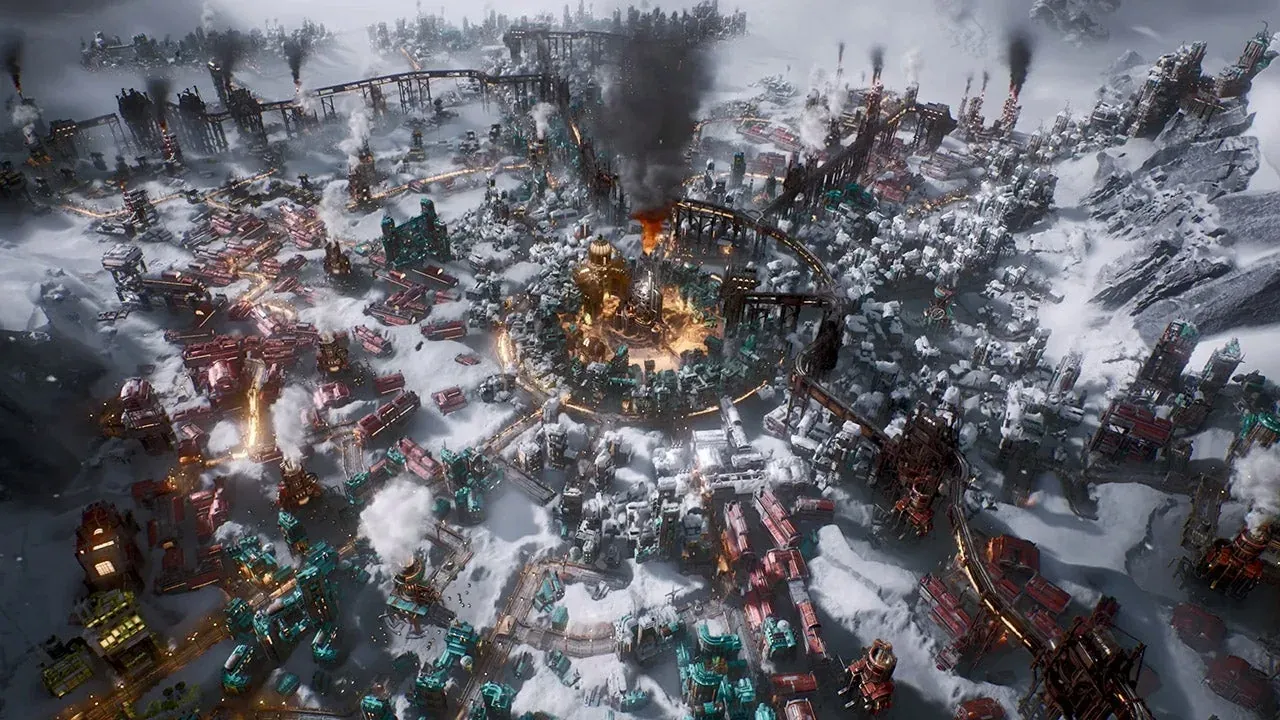
Mid-Game Expansion and Crisis Preparation
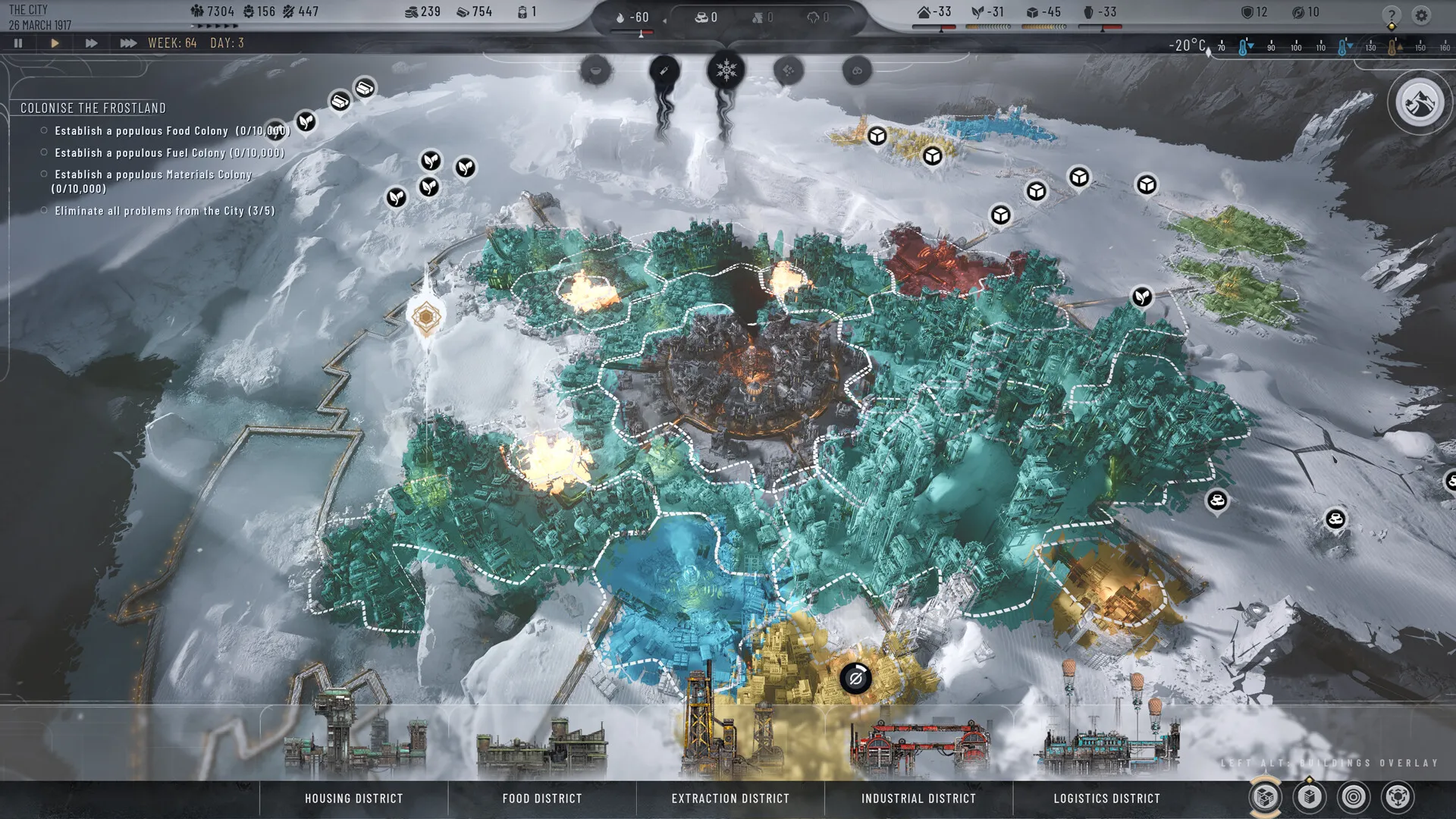
By mid-game, your city should be stable but vulnerable. Coal reserves must be stockpiled in anticipation of harsher weather. Upgrading homes to bunkhouses or houses improves survival odds.
Key mid-game priorities:
- Expanding coal production
- Increasing insulation levels
- Maintaining high hope
Discontent spikes during resource shortages. Managing public perception becomes as important as managing supply chains.
Preparing early for the Great Storm determines your fate.
The Great Storm and Endgame Survival
The final phase of Frostpunk culminates in the Great Storm, where temperatures plummet beyond normal survival limits. Coal reserves, insulation upgrades, and automaton use become decisive factors.
Survival strategies include:
- Maximizing coal storage
- Overdriving the Generator strategically
- Using emergency shifts wisely
The storm tests every system you built. Cities that expanded recklessly often collapse, while carefully managed ones endure.
Frostpunk’s ending reflects your leadership style. Survival is possible—but at what moral cost?
Conclusion
Frostpunk stands apart from other strategy games by combining harsh survival mechanics with emotional decision-making. It forces players to confront uncomfortable choices while maintaining precise economic control. Heat management, law enforcement, research prioritization, and crisis preparation all intertwine to create a tense and memorable experience.
Victory in Frostpunk is not measured in prosperity but in survival. A successful city may endure the cold, but the cost of that endurance defines your legacy. Few games challenge both strategic thinking and moral judgment as effectively as Frostpunk.
160-Character Summary
Frostpunk blends city-building strategy with moral survival decisions as you manage heat, laws, resources, and hope in a frozen apocalypse.