Be A Lucky Block: A Complete Exploration of Random Adventure and Creative Sandbox Gameplay
Introduction
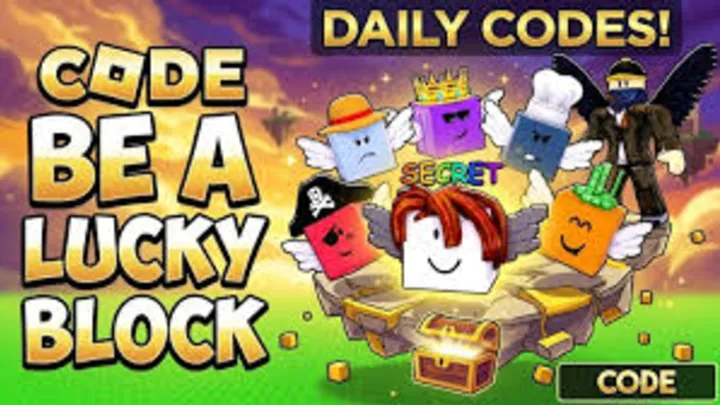
Be A Lucky Block is an exciting sandbox-style adventure game that revolves around randomness, discovery, and creativity. Unlike traditional games that rely on predictable mechanics, Be A Lucky Block builds its entire gameplay structure around uncertainty. Every block interaction has the potential to produce surprising outcomes, making each moment unpredictable and thrilling. This unique system has attracted players who enjoy experimentation, exploration, and unexpected challenges.
In modern gaming culture, randomness-based mechanics have become increasingly popular due to their ability to maintain long-term engagement. Be A Lucky Block embraces this idea fully by creating a world filled with mysterious objects, dynamic events, and hidden surprises. Instead of guiding players through a fixed narrative path, the game encourages freedom of choice, allowing individuals to shape their own adventures through interaction and discovery.
This article presents an in-depth examination of Be A Lucky Block, beginning with its conceptual roots and development philosophy, progressing through gameplay mechanics, world-building techniques, customization features, multiplayer systems, strategic approaches, and long-term replay value. The article concludes with a detailed evaluation of advantages, disadvantages, and overall rating, offering a professional-level understanding of the game's impact and appeal.
The Origins of the Lucky Block Concept
Early Inspiration from Randomized Gameplay
Before Be A Lucky Block became a standalone title, the idea of random reward mechanics had already appeared in various sandbox-style experiences. The concept of unpredictable outcomes fascinated players because it created moments of excitement and tension. Randomness forces players to adapt quickly, encouraging creativity and problem-solving skills.
In the early stages of development, designers studied how randomness affects player psychology. They discovered that players often feel more engaged when rewards are uncertain rather than guaranteed. This psychological element became one of the key foundations behind the creation of Be A Lucky Block.
Important principles that shaped early design included:
- Creating unpredictable rewards
- Encouraging exploration through curiosity
- Maintaining balance between risk and reward
- Providing memorable surprise moments
- Ensuring replayability through randomness
These principles ensured that the game would remain engaging even after many hours of gameplay.
Transformation into a Full Adventure Game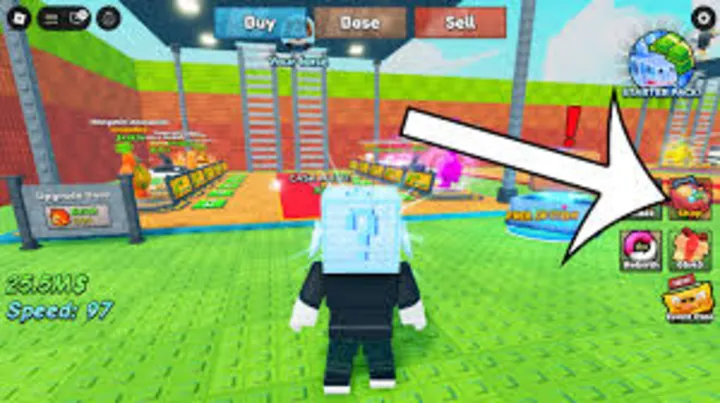
Turning the lucky block idea into a complete game required more than simple random events. Developers needed to build a structured world that supported long-term exploration while maintaining unpredictability.
Major transformation steps included:
- Designing interactive environments
- Introducing structured objectives
- Creating progression milestones
- Adding strategic decision-making elements
These developments allowed the lucky block concept to evolve into a full-scale gameplay experience rather than a simple gimmick.
Early Player Reception and Growth
Once the initial versions of Be A Lucky Block became available, early adopters quickly recognized its unique gameplay identity. Many players were drawn to the humor and surprise factor created by unexpected events.
Community growth occurred due to:
- Entertaining gameplay moments
- High replay value
- Simple learning mechanics
- Shareable content experiences
As more players shared their gameplay stories, the game's popularity expanded steadily.
Fundamental Gameplay Structure
The Lucky Block Interaction Loop
At the heart of Be A Lucky Block lies the interaction loop. Players repeatedly engage with blocks to trigger outcomes, collect rewards, and overcome obstacles.
Typical gameplay loop stages include:
- Locate a block
- Activate the block
- React to the outcome
- Collect rewards or survive hazards
- Continue exploration
This cycle creates a rhythm that keeps players actively involved in decision-making.
Balancing Luck and Strategy
Although luck plays a major role, strategy remains equally important. Players must decide when to interact with blocks and how to prepare for unexpected events.
Strategic considerations include:
- Managing available resources
- Choosing safe interaction moments
- Planning escape routes
- Preparing defensive tools
This balance between luck and planning keeps gameplay engaging and intellectually stimulating.
Risk-Based Gameplay Design
Risk is an essential element of the experience. Every decision carries potential consequences.
Possible risk scenarios include:
- Triggering hostile creatures
- Activating environmental hazards
- Losing valuable items
- Facing unexpected challenges
By including meaningful risks, developers ensure that players remain alert and engaged.
World Exploration and Environmental Design
Open Exploration Environments
The world of Be A Lucky Block encourages free exploration. Instead of following linear pathways, players can choose their own routes and priorities.
Exploration elements include:
- Hidden structures
- Secret pathways
- Interactive terrain
- Rare collectible zones
Exploration rewards curiosity and observation skills.
Dynamic Terrain Generation
One of the game's most impressive technical achievements is its ability to generate dynamic environments. Terrain may change between sessions, preventing repetitive gameplay patterns.
Dynamic generation includes:
- Random landscape layouts
- Variable block placement
- Unique environmental hazards
- Adaptive difficulty elements
These features ensure that no two gameplay sessions feel identical.
Environmental Interaction Systems
Players interact with their surroundings in meaningful ways. Environmental objects may serve as tools, obstacles, or sources of reward.
Common interactions include:
- Breaking environmental objects
- Building temporary structures
- Navigating terrain obstacles
- Discovering hidden chambers
Environmental depth adds realism and complexity.
Progression and Reward Systems
Unlocking Abilities Over Time
As players continue exploring, they unlock new abilities that expand gameplay options.
Common progression upgrades include:
- Improved movement speed
- Increased inventory capacity
- Enhanced defensive tools
- Special exploration abilities
These upgrades gradually increase player capability.
Reward Distribution Mechanics
Rewards are distributed based on player activity and exploration success.
Reward types may include:
- Rare items
- Cosmetic upgrades
- Utility tools
- Temporary power boosts
Reward diversity encourages continuous participation.
Long-Term Achievement Systems
Achievement systems provide goals beyond immediate gameplay.
Examples include:
- Activating a specific number of blocks
- Discovering rare locations
- Completing advanced challenges
Achievements offer a sense of accomplishment.
 Customization and Creative Systems
Character Personalization
Personalization allows players to express individuality within the game.
Customization options include:
- Visual skins
- Clothing styles
- Color themes
- Animation effects
Personal identity strengthens player connection to the game.
Creative Building Mechanics
Some versions include creative tools that allow players to construct structures.
Creative possibilities include:
- Building shelters
- Designing obstacle courses
- Creating custom environments
Creative mechanics increase gameplay diversity.
Multiplayer and Social Interaction
Collaborative Gameplay
Multiplayer cooperation allows teams to work together toward shared goals.
Team activities include:
- Group exploration
- Shared resource management
- Cooperative survival missions
Collaboration encourages teamwork.
Competitive Multiplayer Modes
Competition adds excitement and motivation.
Competitive activities include:
- Speed challenges
- Score competitions
- Survival contests
These modes encourage skill improvement.
Visual Style and Performance Quality
Colorful Artistic Direction
The visual style of Be A Lucky Block uses vibrant colors and playful designs.
Visual strengths include:
- Bright visual effects
- Creative textures
- Animated particle effects
These elements create an engaging visual identity.
Performance Stability
Smooth gameplay performance ensures accessibility across devices.
Optimization features include:
- Efficient memory usage
- Fast loading times
- Stable frame rates
Technical stability improves user satisfaction.
 Strategic Gameplay Approaches
Early Game Strategy
Beginners should focus on survival and resource collection.
Recommended early actions include:
- Exploring safe areas
- Gathering basic resources
- Avoiding unnecessary risks
Strong foundations improve later success.
Advanced Strategy Techniques
Experienced players adopt more complex strategies.
Advanced methods include:
- Risk management planning
- Resource optimization
- Tactical block interaction timing
These strategies increase efficiency.
Conclusion
Be A Lucky Block stands as a powerful example of how randomness and creativity can transform simple mechanics into an engaging gameplay experience. By combining unpredictable events with strategic planning, the game creates a dynamic environment that rewards curiosity and experimentation.
From its early conceptual origins to its current form as a full sandbox adventure, Be A Lucky Block demonstrates the value of innovation in game design. Its flexible progression systems, creative customization tools, and dynamic world generation ensure that players remain engaged across extended play sessions.
Although the game has minor limitations such as reliance on randomness and limited storytelling depth, its strengths greatly outweigh its weaknesses. The game's ability to create memorable surprise moments makes it highly appealing to players who enjoy discovery-driven gameplay.
Ultimately, Be A Lucky Block is more than just a casual sandbox experience—it is a constantly evolving adventure filled with excitement, unpredictability, and creative potential.